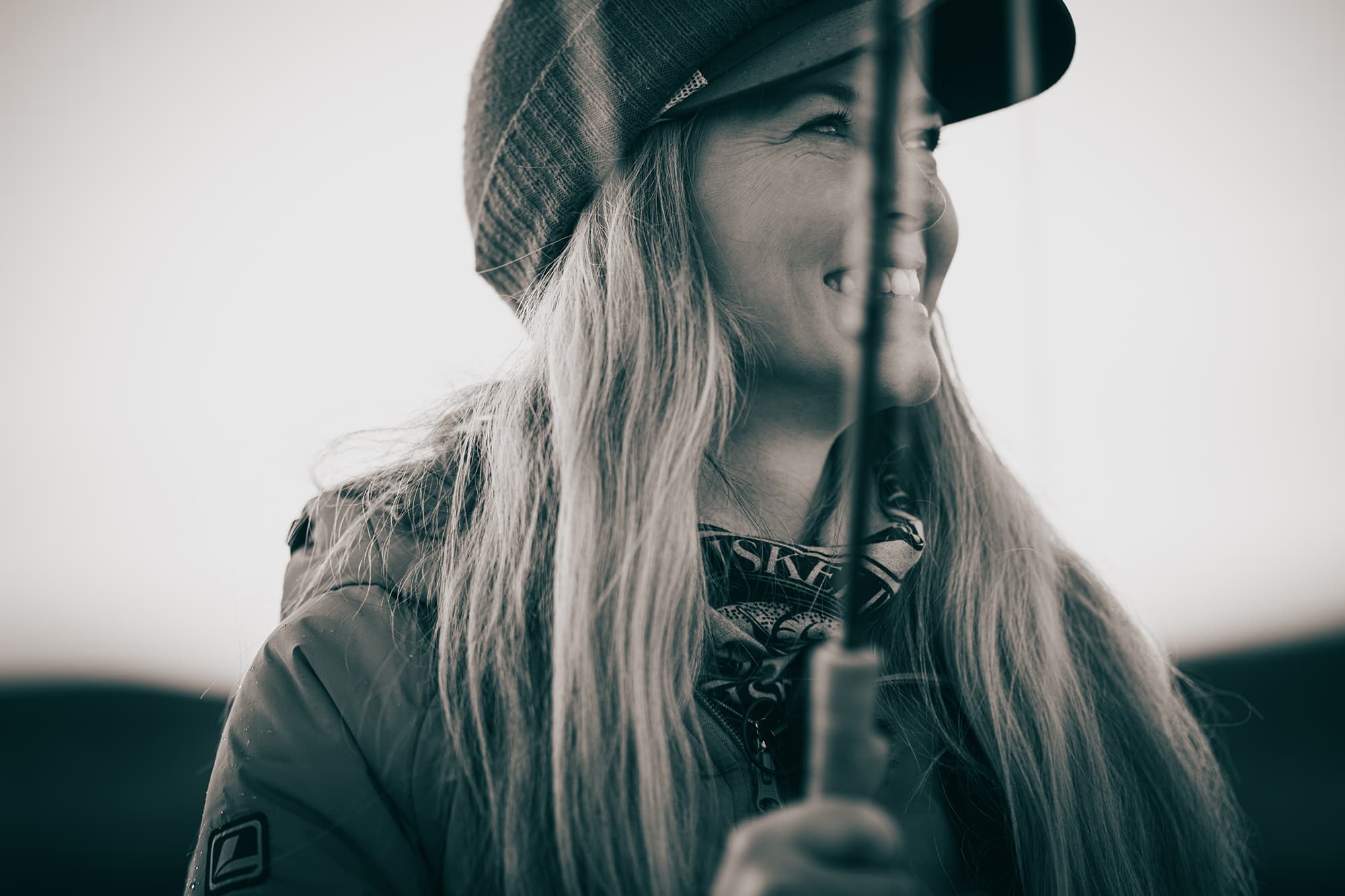
Emilie in Brussels
Author information
Belgium
Emilie Björkman
6 min read
I’m sweating. Can everyone hear my pulse? My heart is pounding so hard that my vision blurs and I can’t really see who’s entering the room. One person after another takes their seat, and with each arrival my nerves tighten. All I can think is: How did I end up here…?
The story begins some months earlier. I got a text from Glenn Douglas, Fisheries Advisor at Swedish Sportfiskarna: “Hey Emilie, time for a visit to the EU Parliament in Brussels to introduce your documentary Free Falling – a Baltic salmon requiem for the politicians.”
I replied instantly: “When are we going?”
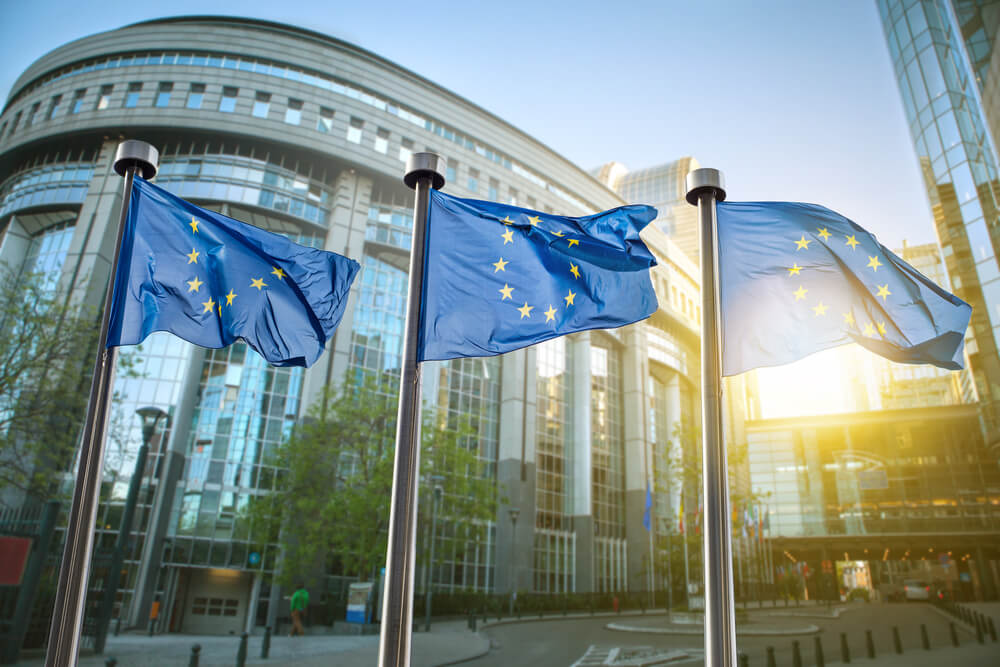
Ted, Lars, and I were thrilled. Ted (Logardt) is the camera guy, and Lars (Munk) somewhat of a project coordinator. And all three of us are deeply invested in wild Baltic salmon. Getting this invitation was something we had quietly hoped for the film – but I guess I never truly believed it would happen.
Now here we were, sitting around a large table in the EU Parliament, preparing to screen Free Falling to the people who have the power to shape the future of our Baltic salmon.
The room felt unusually polite and quiet. People greeted each other, but there wasn’t much small talk. There was an air of anticipation – but that just could have been me. I tried to memorize my lines, but the pressure dissolved my sentences. I’ve spoken in front of people many times, but it never gets easier; this time the stakes felt heavier than ever.
When the host, MEP Niclas Herbst, introduced me, he described the film as a reminder that behind every policy decision, there are people and communities who depend on these waters.
“Let’s make this event not a requiem, but a wake-up call for the Baltic salmon.”
He looked at me and nodded. It was my turn.
My Talk
I read from my paper even though I’d practised a hundred times. I just didn’t want to get it wrong.
“First of all, thank you so much for inviting us.
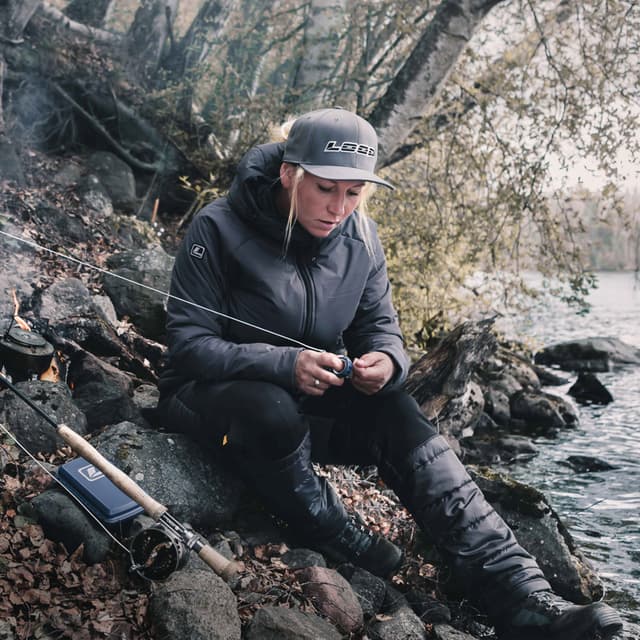
My name is Emilie Björkman. I grew up in a small forest village in Sweden, raised into hunting and fishing, and I’ve been a fly fisher since my early teenage years.
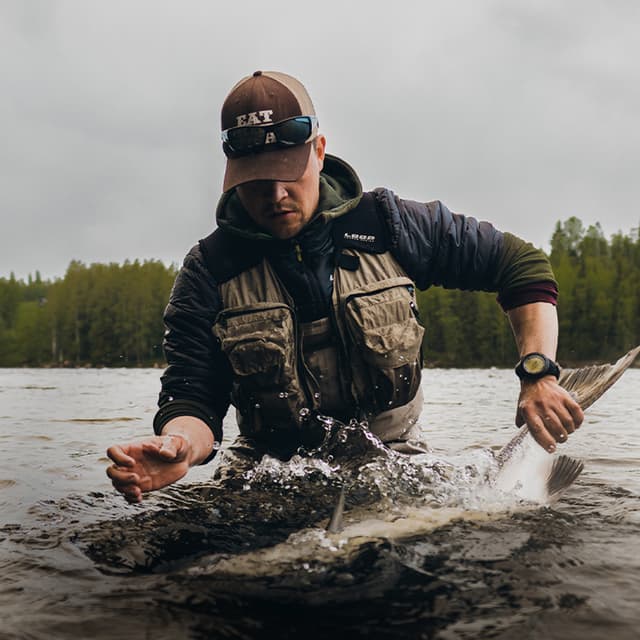
About 15 years ago, I fell in love with our wild Baltic salmon. Back then, returns were strong. Adult salmon came back in great numbers, and those summers along the river meant everything to me.
Why do I love salmon fishing? I still can’t explain it. I only know there’s nowhere I’d rather be than beside a wild salmon river in Sweden.
So, when the runs declined dramatically a few years ago, it hit hard.
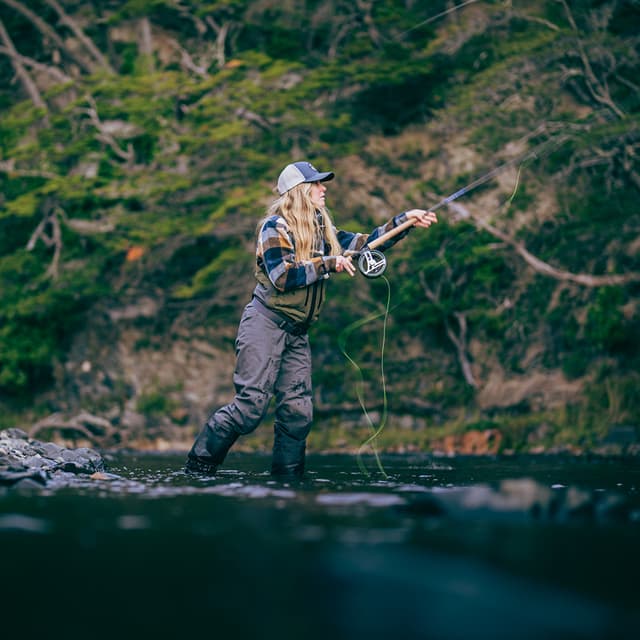
I’m no scientist and I have no political power. I’m just a fly fisher. But with my colleagues Lars and Ted, and our background in fly fishing, film and content creation, we decided to do what we knew how to do: make a documentary. We wanted to share the impact of this dire situation from our perspective: within fly fishing and the broader community. We reached out to brands and organisations who also depend on wild Baltic salmon. Almost everyone joined without hesitation.
And here we are.
I hope this film adds something meaningful to the discussion on how to manage wild salmon, so it remains for future generations — including my two daughters, who love fishing.”
The Film and the Crisis Behind It
Our first documentary, Home Rivers Recycled, premiered in 2021. It was a tribute to the people who live beside these rivers in Sweden and to a way of life shaped around wild salmon. The Baltic salmon population had once been close to collapsing in the 1990s, but slow recovery and the 2012 ban on “drivgarn” netting helped numbers rise again. The likes of Torneälven saw more than 100,000 returning salmon in 2014 and 2016, and it all looked so promising.
Then the decline hit. By 2023, runs were down to around 20,000 – and 2024 was even worse. In some rivers numbers were on par with the catastrophic levels from the 90s. No one, not even the scientists, could point to a clear cause. People stopped spending time by the rivers. Licence sales dropped. As Jan Karlsson says in the film, “We need to use the rivers in a fair way, otherwise they might be dammed or exploited in other ways.”
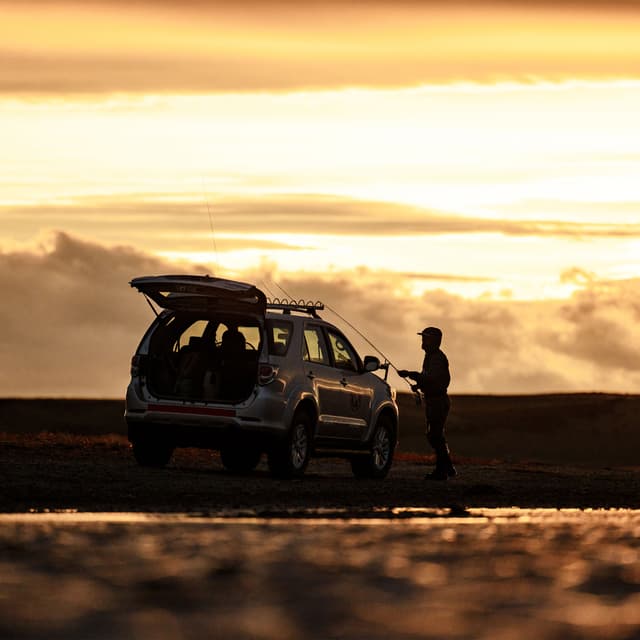
For me, the most personal part of the film is simple: sleeping, eating, and living outside beside the river. That rhythm is why we fish, and why we care. I wanted the audience to feel that connection – because when people feel connected, they also start fighting to protect places.
How Brussels Responded
When the film started, I worried politicians might leave halfway through. But they didn’t. Everyone stayed for the entire 40 minutes, and some even took notes. Afterward, several came straight to us. Many said they were moved by the emotion of the story. They’re used to seeing numbers, graphs, and statistics – but the film showed the people behind those numbers.
A woman from the Commission told me she wanted to feel as free as we looked in the film: sleeping in the car, living outdoors, following the river. That meant a lot. It showed they understood why we made the film – and what we’re scared of losing. Leaving Brussels, I felt 100% positive. It felt like they listened. Like they understood. At least there and then. And maybe, just maybe, this could lead to the right action for our wild Baltic salmon. The words for MEP Niclas Herbst echoed in my head: “Let’s make this event not a requiem, but a wake-up call for the wild Baltic salmon.